Join us to watch in-person or online!
Our monthly lectures are held on Thursday evenings at AKS Lytham, Clifton Drive, Lancashire, FY8 1DT. Doors open at 6.15pm for refreshments and a chance to meet the lecturer, and talks begin at 7pm (except for the Presidential Lecture which starts at 6.30pm). After a short question and answer session, meetings normally finish by 8:30pm. We are a really friendly bunch and can always guarantee visitors a warm welcome, a great lecture and some lovely homemade cake!
In-person events are £5 a ticket, or free to members. If you’d like to become a member for just £12 per season (or £5 for students), please click here. We continue to offer online access to recordings of our lectures for members; if you would like online-only access, membership costs £5 for the season.
2026-27 Programme
Thursday 17 September 2026
‘The Kingdom of Nestor: an archaeological Odyssey through Bronze Age Greece’
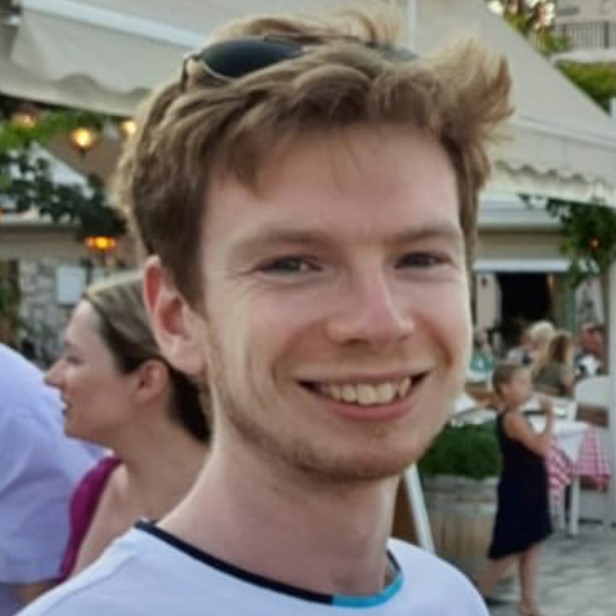
Dr Michael Loy, a Fellow of the Society of Antiquaries, is an Assistant Professor in the Department of Classics and Ancient History at Durham University where he focuses on applying Digital Humanities methods to ancient evidence through geospatial and agent-based modelling, multivariate statistics, and social network analysis. His main regional interests lie in the archaeology of the Cyclades and the Ionian coast.
A former Assistant Director at the British School at Athens, Michael held a Leverhulme Early Career Fellowship at Cambridge, where he was also Director of Studies in Classics and Praelector at Queens’ College. He has been a researcher for the Palace of Nestor Excavations at Pylos and a co-director for the West Area of Samos Archaeological Project (2021-2024).
In his talk for the branch, ‘The Kingdom of Nestor: An Archaeological Odyssey through Bronze Age Greece’, he will unlock the secrets of Nestor’s palace and guide us through many of the other filming locations in Christopher Nolan’s recent film The Odyssey.
Thursday 29 October 2026
Thursday 19 November 2026
The Lost Voices of Pompeii

Dr Jess Venner is an ancient historian based at St John’s College Oxford: in 2025, she was awarded both the Rome Award at the British School at Rome and the highly competitive Leverhulme Early Career Fellowship for postdoctoral research. Beyond academia, Jess reaches millions of viewers on TikTok, YouTube, Substack and Instagram through her popular channels, Life in the Past Lane, bringing ancient history to life in accessible and relatable ways.
In her latest book, and in this talk, she will draw on the latest archaeological discoveries to bring the ancient streets to life through the eyes of those who lived, worked, loved and ultimately met their fate in Pompeii. Here is a community more complex, diverse and human than we ever imagined. Pompeii is remembered for its destruction, but here we discover the vibrant lives that came before. Richly evocative and immersive, The Lost Voices of Pompeii vividly recreates the final twenty-four hours before the eruption, reminding us exactly what – and who – was lost in 79 CE.
Thursday 7 January 2027 (6.30pm)
Presidential Lecture: “To do or not to do” – Working out the rules in Greek sanctuaries.

Prof. Michael Scott is Pro-Vice-Chancellor for International affairs and a Professor in Classics and Ancient History at the University of Warwick. He is also a National Teaching Fellow and Principal Fellow of the Higher Education Academy; Fellow of the Royal Historical Society; Honorary Citizen of Delphi, Greece; AND our wonderful President!
We are delighted that Michael will be making his annual visit to the branch for his Presidential Address in January – when we will also mark the occasion with a special Dinner for members. More information to follow.
Thursday 4 February 2027
Rome, Monarchs and Monuments
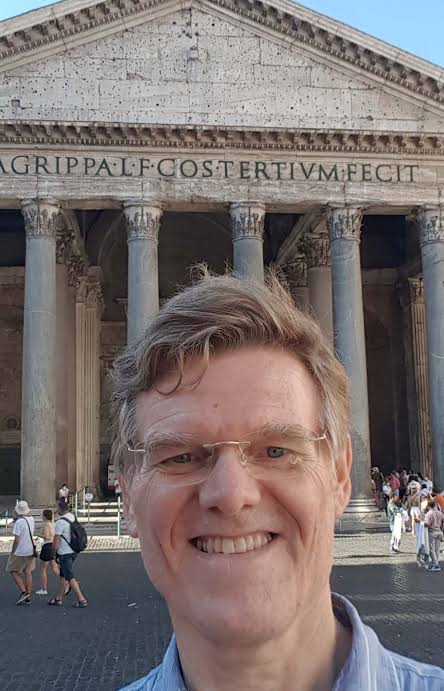
Dr Paul Roberts OBE is former Keeper of the Department of Antiquities at the Ashmolean Museum of Art and Archaeology, Oxford University and former Senior Roman Curator in the Greek and Roman Department at the British Museum.
Paul’s research focuses on the daily life of ordinary people in the Greek and Roman worlds, and he has written books and articles on Greek and Roman daily life, Pompeii and Herculaneum, Sicily, Roman Emperors, mummy portraits, and Greek and Roman ceramics and glass. His latest book, Ancient Rome in Fifty Monuments, was published in April 2024 and has been translated in Spanish, Dutch and Mandarin Chinese.
In 2014 Paul was awarded the prestigious Classical Association Prize in recognition of the contribution of Life and Death in Pompeii and Herculaneum to the promotion of Classics in the UK and in 2022 he was appointed Cavaliere dell’Ordine della Stella d’Italia (Knight of the Order of the Star of Italy) by the Italian Ambassador on behalf of the Italian State. We look forward to his return to the branch to speak for us this February!
Thursday 11 March 2027
Sir John Soane’s Grand Tour
As you may recall from our opening lecture in 2024, Sir John Soane’s Museum at 13 Lincoln’s Inn Fields in London became a public museum on the death of its Founder, the celebrated architect Sir John Soane, in January 1837. A ‘total work of art’, Soane spent a quarter of a century perfecting his home as a setting for his extraordinary collections which range from mummified cats to paintings by Canaletto.
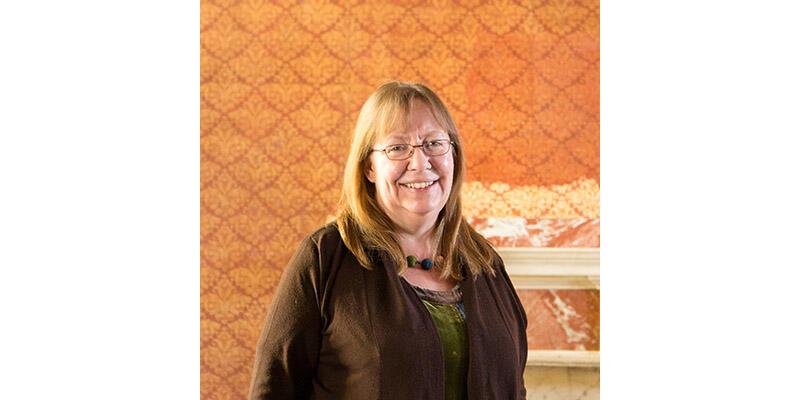
Helen Dorey, Deputy Director and Inspectress of the Museum, will reintroduce us to this unique Regency museum with special reference to Soane’s lifelong love affair with ancient Rome, his Grand Tours and his engagement with Italian sites. Helen is a member of the Council of the Attingham Trust and of the Advisory Council of the Society of Architectural Historians of Great Britain and a Fellow of the Society of Antiquaries. She was awarded an MBE in 2017 for services to heritage and judged the Classical Association’s 2026 Poetry Competition.
Thursday 15 April 2027
Reimagining the Roman Baths
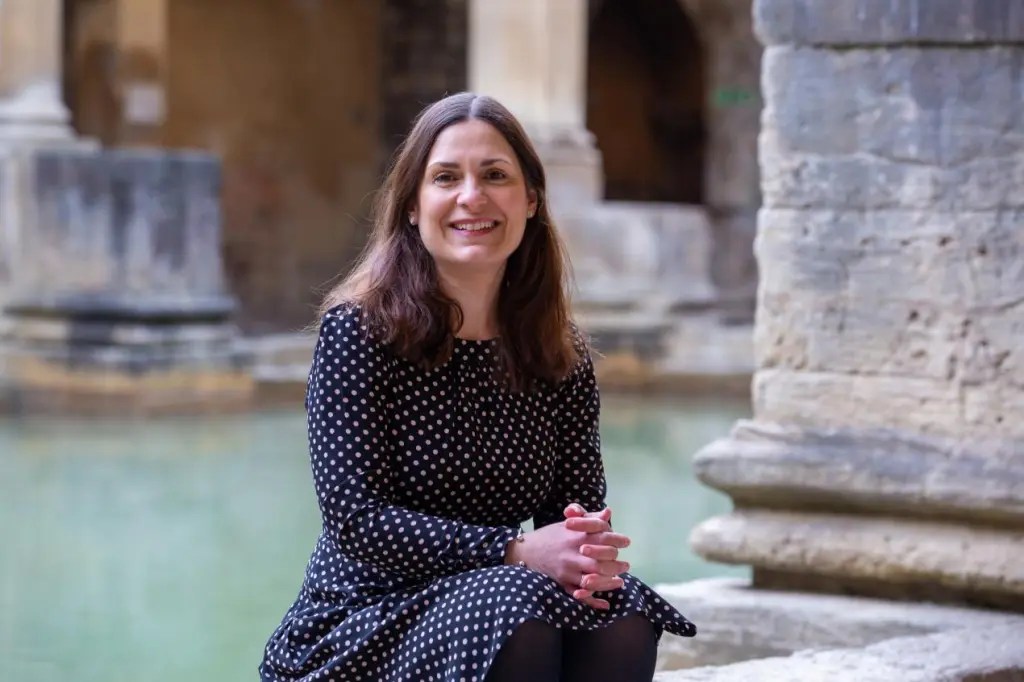
Amanda Hart is the Director of Archaeology and Art at the Roman Baths, responsible for the curatorial direction of the Roman Baths Museum, the associated learning and engagement programmes, and making the collections accessible to a diverse audience. She was previously the Museum Director of the Corinium Museum where she managed the redevelopment of the Prehistory and early Roman galleries.
Amanda studied Archaeology at the University of Reading where she became interested in material culture and the role objects play in interpreting past societies in museums. This led her to study Museum Studies, at the University of Leicester, where she specialised in Archaeological Curatorship. She has worked in a variety of roles in museums with Roman collections for over 25 years. She is also a Fellow of the Museums Association.
In this talk, to conclude our lecture programme, Amanda will help us discover how new research is transforming our understanding of Aquae Sulis. She will discuss ongoing scientific and curatorial research of osteobiographies and inscriptions to reassess the overlooked stories of women, children, migrants, and the enslaved. Reimagining the Roman Baths highlights how these insights are shaping a bold new interpretation of the museum, bringing a richer and more inclusive history to life for visitors.


You must be logged in to post a comment.